Food Politics Blog Defining Food Allergies Our Research Resources Foundation In the News About Us

Defining Food Allergies

Today, it is estimated that 20% of American children have allergies.
 
In the last twenty years, we have seen an epidemic increase in allergies, asthma, ADHD and autism, including a:
  • 400% increase in food allergies
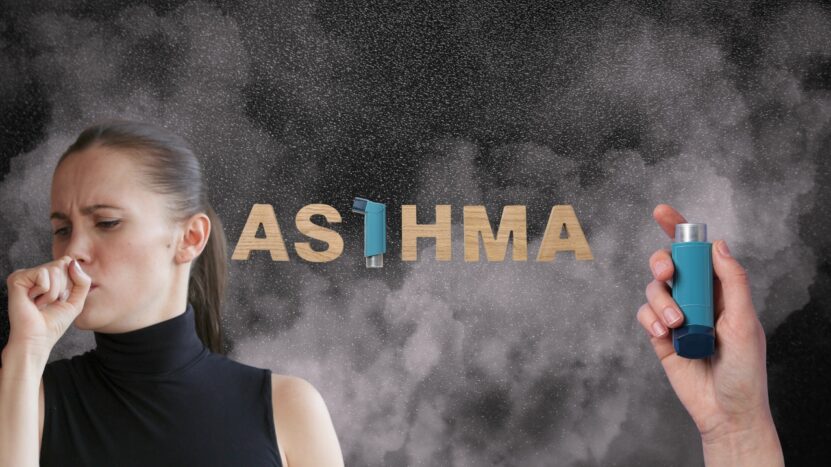
  • 300% increase in asthma, with a 56% increase in asthma deaths
  • 400% increase in ADHD
  • and between a 1,500 and 6,000% increase in autism. 

The male/female ratio for food allergies is 2:1 and the male/female ratio for asthma is 3:1.

So What Has Changed?
In the last ten years, novel proteins, allergens and toxins have been introduced into our food and vaccine supplies.  No human trials were ever conducted to assess the safety of these chemicals on children.  These chemicals appear to create a toxic overload in our children, impacting their immune systems, nervous systems and gastrointestinal and digestive systems (in which 70% of a child's immune systems is found).
 
At AllergyKids, our concern is that, according to the Center for Science in the Public Interest, some of our nation's leading pediatric allergists testified to the safety of these chemicals without conducting human trials to test the safety of these chemicals on children
 
Food Allergy Figures Underestimate the Problem
Any food can cause an allergic reaction, but 90% of all food allergies are caused by one of the following: wheat, eggs, milk, peanuts, tree nuts, soy, fish and shell fish.
 
Industry funded organizations cite data from 2002, stating that the FDA estimates 2 percent of adults and up to 8 percent of young children suffer from food allergies.
 
According to this five year old data, at least 1 out of every 17 children under the age of three has a food allergy, suggesting that food allergies now affect 1 out of every 8 families. 
 
If you walk into a preschool classroom anywhere in America, the number of students with food allergies tells a much different story, suggesting that these five year old statistics underestimate the problem and that food allergies are far more pervasive than industry-funded groups and medical advisors would have you believe.
 
Even more striking is the fact that asthma, another allergic reaction, accounts for almost 5,000 deaths a year, while at the same time, there has been an increase in the number of people with Celiac's Disease (a wheat allergy).
 
Signs of Food Allergy
Food allergy symptoms can range from mild to life threatening and may include:
  • hives
  • itching
  • rash (eczema)
  • behavioral/temper changes
  • swelling of the face, lips, tongue and/or eyes
  • diarrhea
  • vomiting
  • cramps
  • itching and tightness of throat
  • difficulty breathing (asthma)
  • wheezing
  • in extreme cases, anaphylactic shock.

Anaphylactic shock is a severe allergic reaction that often includes swelling of the face, lips, mouth and throat and it can lead to a drop in blood pressure, shock and unconsciousness. If not treated immediately with epinephrine, anaphylaxis can be fatal.

Some children may outgrow their food allergy, although increasing evidence suggests that this autoimmune condition may take a progressive nature resulting in additional food allergies, asthma and other related conditions.
 
Allergies can also involve inflammation in the lungs (asthma) and brain (ADHD). 
 
Preventing Food Allergies
 
A lot of media attention has been given to the "hygiene hypothesis" - our children are raised in an environment that is 'too clean' - as well as the role that peanut exposure plays in the development of food allergies. 
 
At AllergyKids, we'd like to highlight the role that exposure to chemical toxins in the foods have on the health and well being of mothers and their children. 
 
Mothers in most developed countries are advised to avoid exposure to chemical toxins during the first twelve weeks of pregnancy given the role that these toxins play in the development of:
  • autism
  • allergies
  • asthma
  • ADHD
  • gestational diabetes.
A mother's exposure to pesticide during pregnancy has been linked to both:
 
What Moms in Europe Know: Avoid Chemical Toxins in Your Diet During Pregnancy
  • 75% of processed foods contain unlabeled genetically engineered, chemical toxins
  • 91% of all soy contains these toxins
  • Almost 60% of all corn contains these toxins
  • By law, a product labeled "USDA Organic" is not allowed to contain these chemically and genetically engineered toxins.
 
A simple step that a pregnant mother can take during her pregnancy is to avoid these hidden toxins and chemicals in her diet is to avoid processed foods, conventional soy and conventional corn ingredients. 
 
As mothers in other developed countries are advised to "go organic" during the first twelve weeks of pregnancy, AllergyKids believes that mothers in the US may want to seek the advise of their medical experts and learn more about this simple proactive step to avoid hidden toxins in our foods in the hopes of protecting the health of our unborn children. 
 
Soy's Role in the Peanut Allergy
 
Ten years ago, in 1996, soy was genetically engineered with chemical toxins to make it a more profitable crop.  That same year, there was a 50% increase in the soy allergy (source: York Nutritional Labs), making soy allergy one of the top ten allergies. 
 
Within the first five years of the introduction of this genetically engineered soy and the new proteins, allergens and toxins that this soy now contains, there was a doubling of the peanut allergy (from 1997-2002). 
 
According to previously undisclosed research and the Peanut Genome Initiative, it appears that in the genetic engineering of soy, a soy allergen was created that is 41% identical to a known peanut allergen, ara h 3.  This new allergen, now found in soy, is recognized by 44% of peanut allergic individuals.
 
Recent studies out of the University of London conducted by Gideon Lack support this undisclosed research and highlight the role that conventional soy (and soy formula) play in the development of the peanut allergy. 
 
As a result of these studies, the British Dietetic Association advises parents to avoid exposing infants under the age of one to soy.  In France, parents are advised to avoid soy for children 0-3 years of age given the risk that it may present. 
 
In the United States, 90% of soy now contains these new proteins, chemicals and allergens.
 
Leading pediatric allergists and researchers have been funded by the agrichemical corporation responsible for engineering these proteins, chemicals and toxins into soy.  
 
AllergyKids Advice to American Moms 
Consider the fact that mothers around the world are advised to avoid exposing children to genetically engineered soy given the health risks that it can present to developing infants and toddlers.
 

FREE Insight!

Sign up for our FREE email newsletter so that you can receive the most current global research on how to protect the health and well-being of your child with food allergies.
  Email:  

What You Can Do!

To help identify and protect the 10 million American children with food allergies, please download any or all of the following forms to help create awareness of food allergies in your AllergyKids’ school.

In the Grocery Store
In the School
Download AllergyKids Safe@School Teacher Training Guidelines
Download AllergyKids Safe@School Program
Download a free Food Allergy Alert
Download a free Letter to Your Child's Principal
Download a free Letter to Your Child's Teacher
Download a free Letter to the Classroom Parents
In Washington, DC!

AllergyKids Free Food Allergy Alert
We have designed the AllergyKids Food Allergy Alert Page to help protect the 10 million American children with food allergies.
Emily VonderMeulenEmily's Story
Emily Vonder Meulen died on April 13, 2006 from anaphylactic shock. She was 13 years old.
Read Emily's Story
Emily VonderMeulenRescue Roman
Four months after being diagnosed with food allergies, an auto-immune disorder, Roman was diagnosed with stage four neuroblastoma, a type of cancer that affects young children and usually starts in the abdomen.
Join AllergyKids in our efforts to Rescue Roman
Tell a Friend!
Let a friend know about AllergyKids today!
Tell a friend about AllergyKids
Tell a Teacher!
Let Your child's teacher know about AllergyKids.Fill out our simple form today!
Tell a teacher about AllergyKids